picture

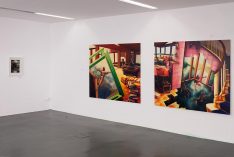
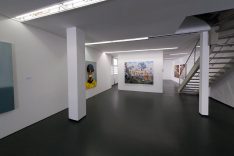
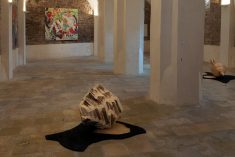
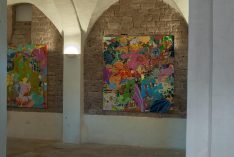
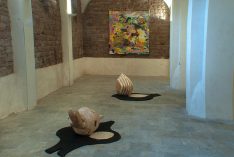
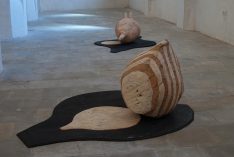
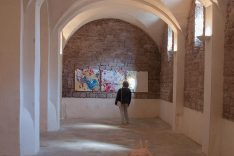
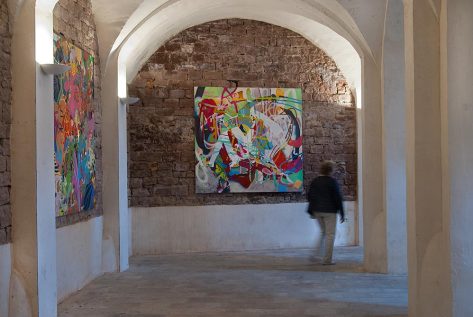
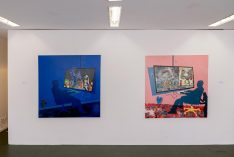
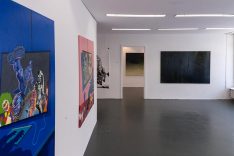
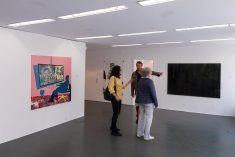
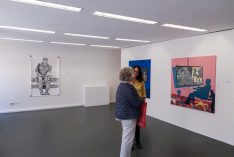
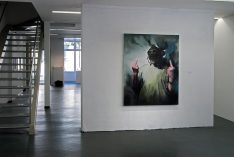
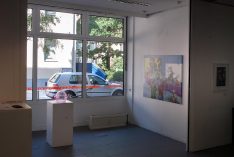
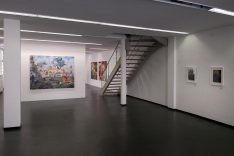
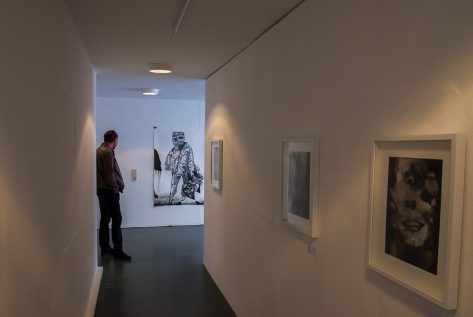
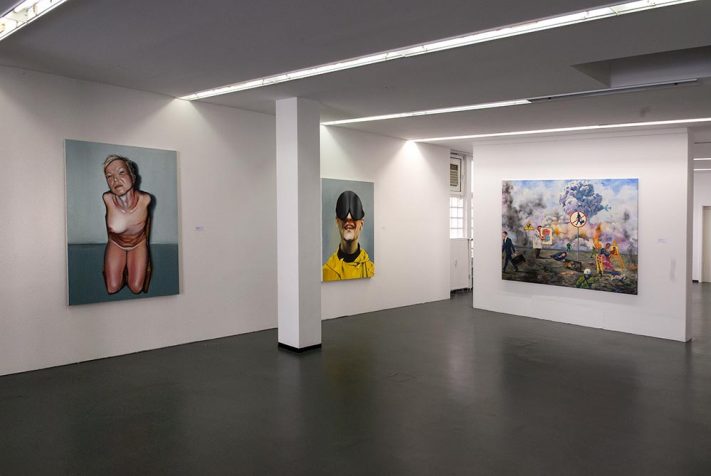
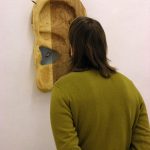
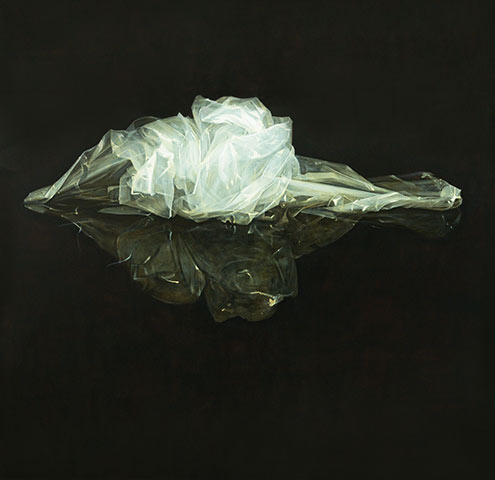
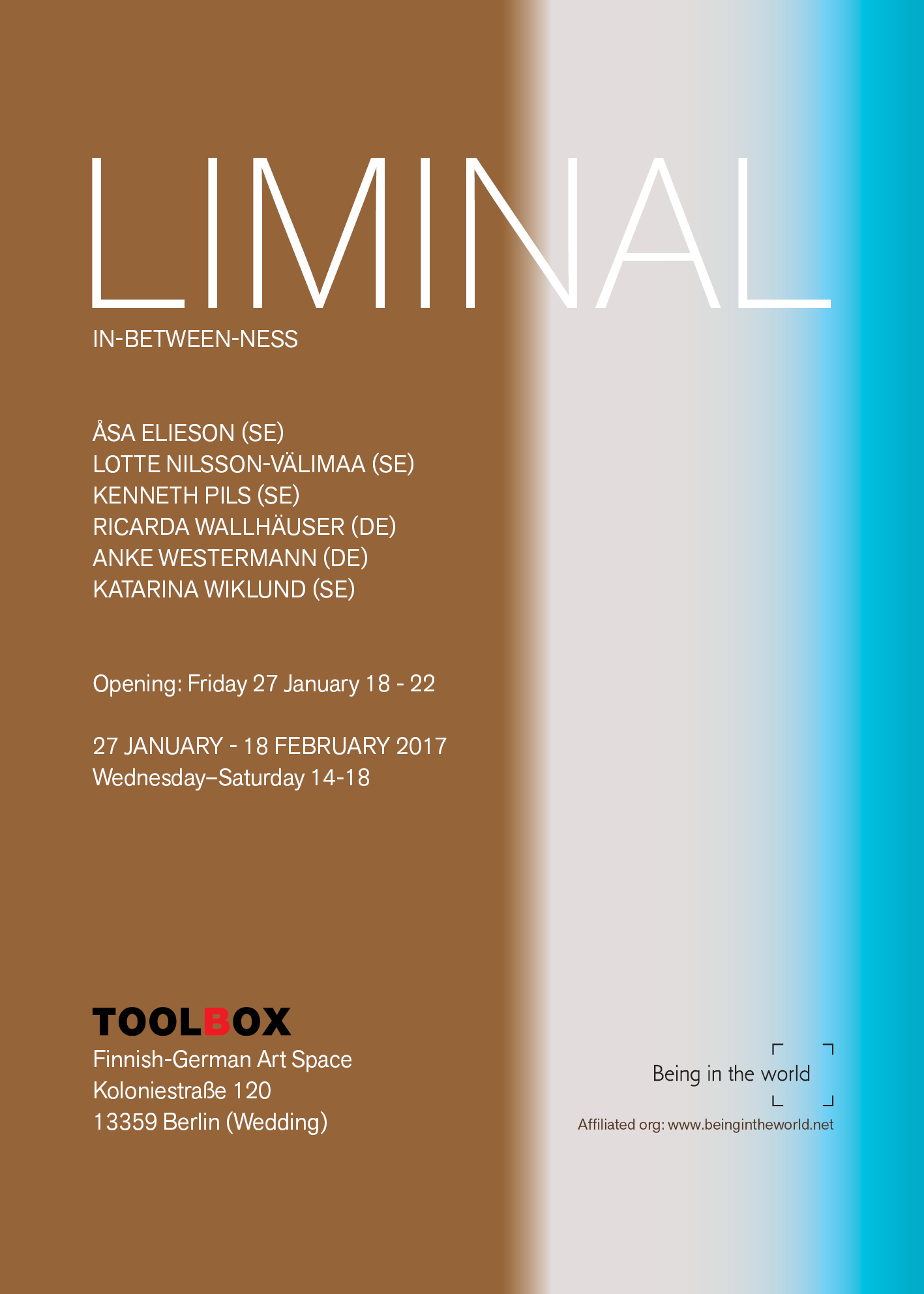
Liminal | 27.1.–18.2.2017

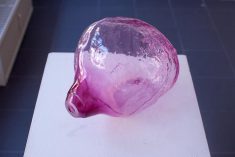
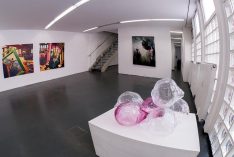
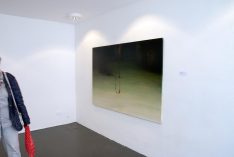
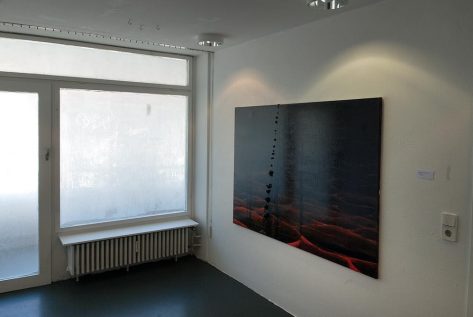
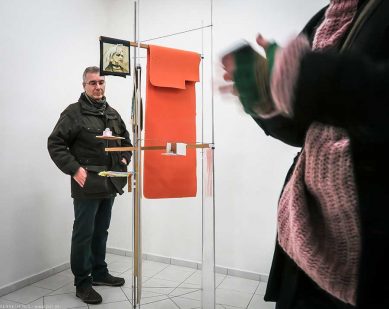
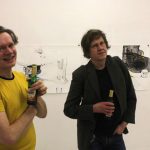
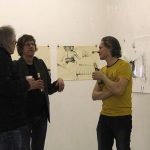
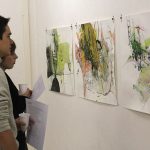
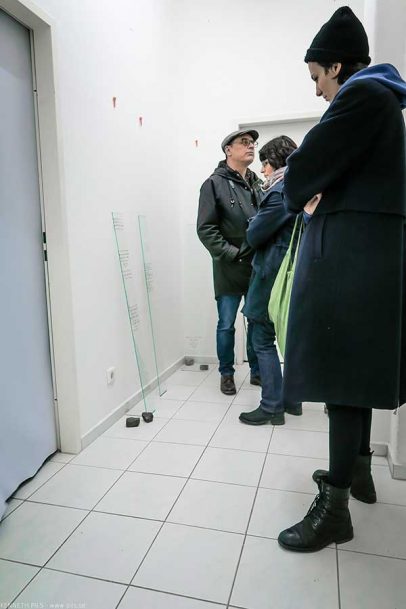
Visual artists from Germany and Sweden approach the topic of Liminality.

Vernissage / Opening: Freitag / Friday 27.01.2017, 18 Uhr
Öffnungszeiten Kolonie-Weekend / Sunday 2-6pm
Ausstellungsdauer / Exhibition open: 27.01 – 18.02.2017
Öffnungszeiten/ Opening hours: Mi-Sa / Wed-Sat 2-6pm
Finissage: Friday, 17.2. 5pm

An Feiertagen ist die Toolbox geschlossen
On Bank holidays Toolbox is closed

Liminal: etymology “limes” (Latin) meaning threshold. The word liminal is used in connection with: (1) a transition period or the initial stage of a process, (2) that something occupies a position, or both sides of a border or threshold.


Liminal condition can be described as a place where we are open to anything; where we leave the “ordinary” and allows something else to occur. The transition can be described as passing a threshold or break through a membrane. The shift may be perceived as intimidating as the need for control is suspended, but at the same time a possibility for change and renewal. The liminal in-between space is characterized by openness, active listening and adherence to things that occur.
How does a liminal place feel; where can you find it, and what does it look like? In the project “Liminal” the participants gives their vision on the theme. Art can open doors  and let us enter places in new ways, not available before.

The project is part of “Being In The World,” an international and interdisciplinary practice-based art project that explores temporal and spatial perception. The idea is that participants work together to come closer to the topic, get together, discuss it and make new works.

http://beingintheworld.net/project/liminal

photo

Killer on the beach
30.12 – 21.01.2017

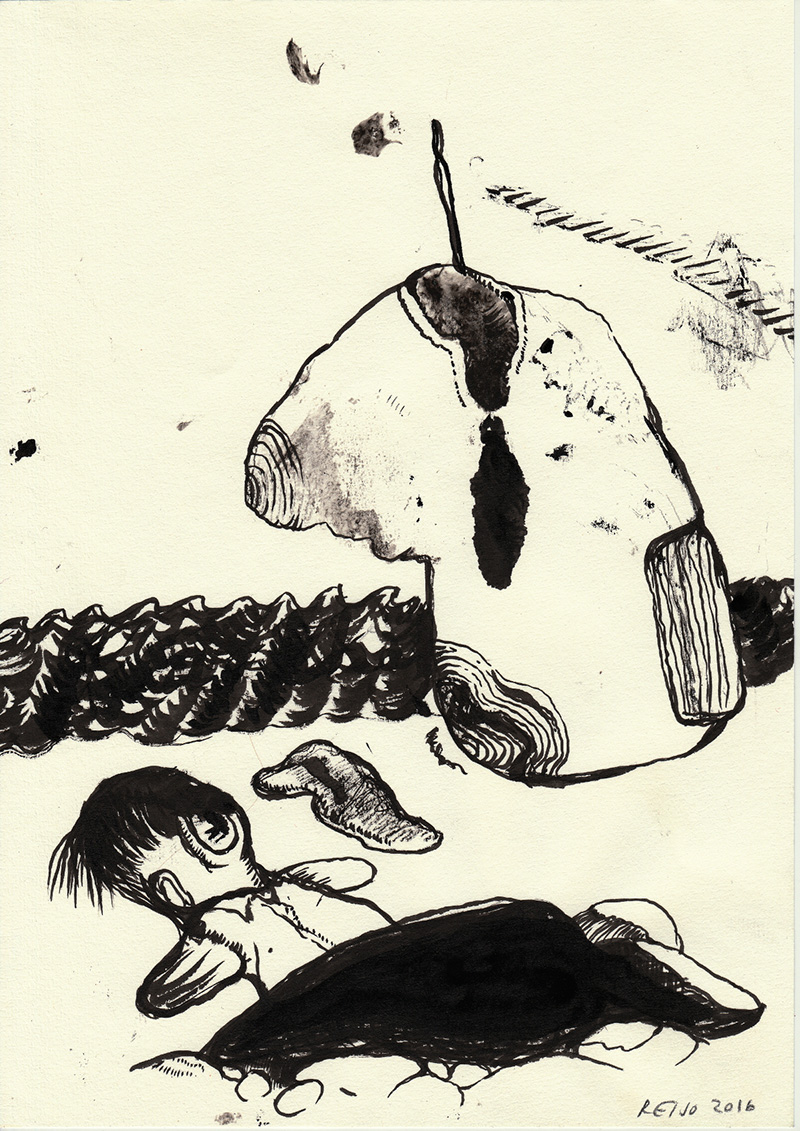
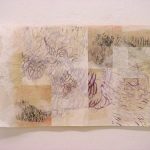
Drawings – Reijo Kärkkäinen

Drawing is thinking – mostly chaos. Sometimes I’m happily surprised: Did I really created that.

Vernissage / Opening: Freitag / Friday 30.12.2016, 19 Uhr
Öffnungszeiten Kolonie-Wochenende / Opening times on sylvester: ist die Toolbox geschlossen/Toolbox is closed
Ausstellungsdauer / Exhibition open: 3.1 – 21.01.2017
Öffnungszeiten/ Opening hours: Di-Sa / Tue-Sat 14-18 Uhr

An Feiertagen ist die Toolbox geschlossen
On Bank holidays Toolbox is closed


Reijo Kärkkäinen (b.1964) is a Finnish artist who graduated as Bachelor of Arts from University of Industrial Arts in Helsinki. Kärkkäinen is a multidisciplinary visual artist, whose work ranges from paintings, graphics, installations, photographs to comics and illustrations. He works also together with the French arthouse Le Dernier Cri (http://www.lederniercri.org). The Artist lives and works in Kuopio.

Reijo Kärkkäinen studies drawing and painting in his work, both text and image boundaries and the mutual interaction. Performing take turns an abstract expression, and a drawing line finds the painting. Kärkkäinen coordinates different points of view, in which the seriousness meets the satire and popular culture is toying with the traditional expression of art. Associations collide and cruise with each other, and when the crash generated in the right circumstances, there will be life.

More information:

http://www.kuvataiteilijamatrikkeli.fi/fi/taiteilijat/2370

http://www.arslibera.com/taiteilija/karkkainen-reijo

http://www.tabulaland.com/taiteilijat/reijo-karkkainen/

Tecla Gato

Tecla Gato feat. Hui-Chun Lin
12.1 at 8.30pm

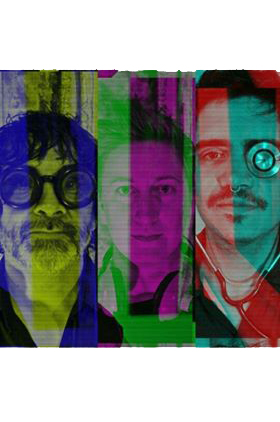
Tecla Gato is formed by musicians from different generations of the improv scene in Buenos Aires. The concept suggested by their improvisations proposes the mixture of acoustic instruments with the addition of sound objects, electronics and processed voices. They often utilize in their performances graphic scores of their own creation as a blueprint for improvisations.

In this trio’s sound pursuit, the organic and the electronic blend together revealing textures where mutant, amorphous landscapes are suggested, that evoke an almost lovecraftian cosmology, creating kaleidoscopic moments and oneiric sensations.
Hue-Chun Lin is a cellist invited to perform with Tecla Gato.

Gustavo Obligado: sax, electronics, voices.
Caro Tierhs: violin, objects.
Pablo Vazquez: bass, electronics, voices.
Hui-Chun Lin: cello

Concert starts at 8.30pm. Duration of the concert will be approximately 40 minutes.

Dissonance – Resonance: Spatial variations
25.11.–17.12.

Nixxon Kerimaa, Iida Valkonen, Joonas Järvi, Noora Palotie and Roy Boswell

Vernissage / Opening: Freitag / Friday 25.11.2016, 19 Uhr (Performance 19 Uhr, for further informations scroll down, please))
Öffnungszeiten Kolonie-Wochenende / Opening times on the Kolonie Weekend: So / Sun 27.11.2016 14-18 Uhr
Ausstellungsdauer / Exhibition open: 26.11 – 17.12.2016
Öffnungszeiten/ Opening hours: Di-Sa / Tue-Sat 14-18 Uhr

An Feiertagen ist die Toolbox geschlossen
On Bank holidays Toolbox is closed


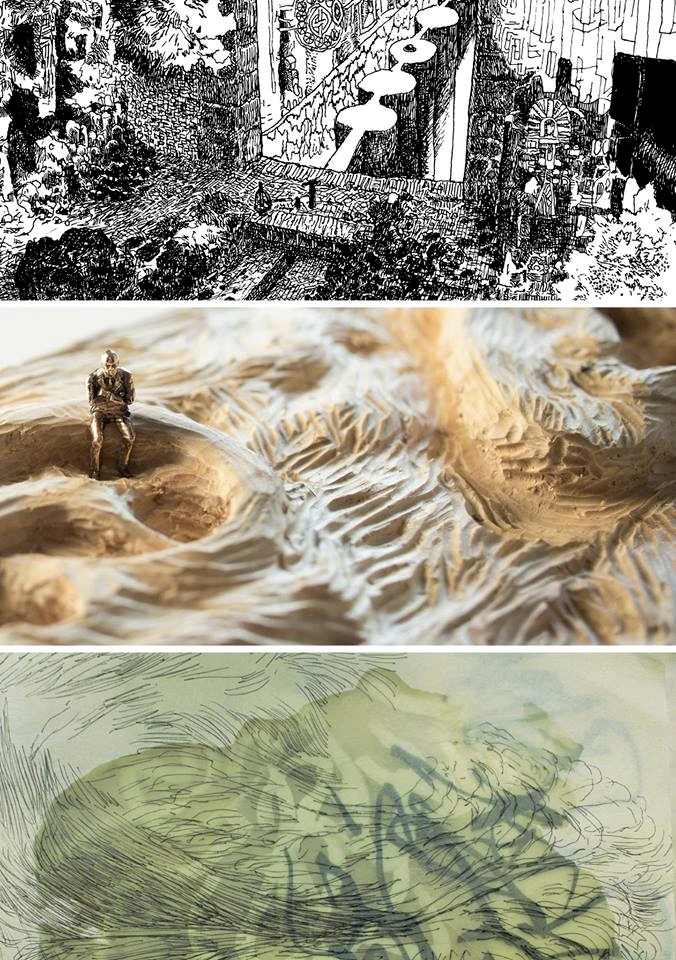
Dissonance – Resonance : spatial variations presents five emerging Finnish artists who share an interdisciplinary approach to working in the fields of contemporary drawing, printmaking, sculpture, mixed media and performing arts. The works in the exhibition vary from drawn works and installations to live performances, each presenting ideas on how space can be translated and transformed into works of art; it can be an actual location but also a state of mind, whereas the spatial experiences can vary from precise bodily sensations to more metaphysical transitions between subjective narratives – it can exclude, include, obscure and expose those who venture into it. These are, among others, the questions the artists had worked with for the exhibition. The works in the exhibition both agree and argue with each other when offering various viewpoints to the observers; acts that draw inspiration from similar elements viewed through a different spectrum. When presented in the shared gallery space, they are constantly in relation to one another, yet each of them can be experienced as their own individual micro cosmos, worlds within a world from where they’re stepped into. With the exhibition, the artists invite the guests to look beyond the lines, layers and sculpted structures; to see for themselves how something as universal yet as intimate as space can, when given a moment, be approached. We invite you to trespass. Welcome.


Slavoj Žižek Emerges from the Swamp (2016)

A lecture performance that is part of the exhibition discusses the act of seeing and being seen and communication between the living and the dead. The duration of the performance is approximately 40 minutes. The performance will take place on the night of the exhibition opening on 25th November at 8 pm. The performance is also shown on 29.11. / 01.12. / 03.12. / 07.12. / 09.12., all at 7 pm. The public is advised to arrive early as the gallery doors will be closed during the event. Please note that the performance event starts after the gallery’s regular opening hours.

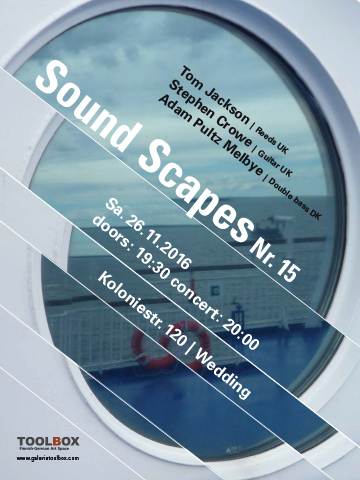
Sound Scapes 15 | 26.11.2016

Improvisation-Concert Series Nr. 15

Samstag, 26. November 2016

Doors: 19:30 | concert: 20:00 Uhr

Warmly welcome to our next concert with


Tom Jackson | Reeds UK

Stephen Crowe | Guitar UK
Adam Pultz Melbye | Double bass DK

organized by Harri Sjöström

Fly

Finissage: Fake Laders
with Mother’s Nerves and
Improvised Sound Piece
22.10.2016

Finissage: Fake Laders | Ismo Hyvärinen

Start: 6pm and 7pm

Arja Kärkkäinen, 2016

Sound/video piece, 16:00 min

“Mother’s Nerves is a story told by a mother whose son is planning a suicide. The son
is struggling with the question of justification: why is he there to survive while the
other people should die. Who should die after all? The politically incorrect wish of a
destruction can be discussed from a child’s point of view, from its safe harbor. The
story is based on my own early childhood memory, a remark that I made in the
age of 5. I couldn’t understand why there was simultaneously a discussion about
overpopulation and grief for 100 people dying in an airplane accident. The point,
obviously, was that there should be less people and making people less should be
started from somewhere. Fair, until the roulette chooses someone you love.”

Arja Kärkkäinen is a Helsinki based installation artist who mainly works with video and
spatial installation. Kärkkäinen in her MA studies in the Academy of Fine Arts Helsinki.


Start: 8pm

Improvised sound piece with Serge Modular synthesizer

Mika Hyytiä

“The piece will reflect aural and electrical happenings/non-happenings of the space. It aims to fixedly resonate and follow the very present – the ‘NOW’ moment. The outcome can be meditative and/or disorientating, but always mind manifesting.”

Mika Hyytiä is an underground sound artist – musician from Helsinki. Hyytiä’s main instrument is modular synthesizer and over the past 5 years, he has focused on improvisation-based performances around Finland in clubs, art galleries, and festivals. Hyytiä has released limited editions of cassettes and also recordings and releases in collaboration with several artists of highly variant outputs/approaches.


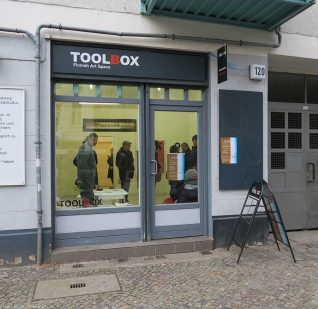
Toolbox – Finnisch-deutscher Projektraum, Koloniestraße 120

Abbildung

Very Little … Almost Nothing
29.10–19.11.2016

Antero Kahila

Gemälde / Paintings

Video: Daniel Permanetter


29.10. – 19. 11. 2016

Toolbox – Finnisch-deutscher Projektraum, Koloniestraße 120

Vernissage: Fr. 28. 10. 2016 um 19 Uhr | Opening: October 28th, 7pm
Öffnungszeiten Kolonie-Wochenende: So. 30. Oktober von 14–18 Uhr
Ausstellungsdauer: 29. Oktober bis 19. November 2016 | Öffnungszeiten: Di–Sa 14–18 Uhr


Scroll down for English version


Sehr wenig … fast nichts

Antero Kahila arbeitet in verschiedenen Medien; er malt, fotografiert und macht Installationen. Seine künstlerische Tätigkeit sieht er als fortwährende Auseinandersetzung mit den Widersprüchen zwischen dem eigenen Sein in der Welt und vielfältigen Unsicherheiten und Paradoxa, die jeder Begegnung mit der Welt innewohnen.
Seine neueren Arbeiten sind überwiegend Gemälde. In den jüngsten Bildern beschäftigt er sich mit Entfremdung und Rückzug aus der Welt. Oft versucht er zu fassen, dass die Menschheit gleichzeitig verletzlich und um ihr eigenes Bewusstsein zentriert ist. Die Darstellung der menschlichen Gestalt findet er reizvoll und sie ist ihm in ihrer kunsthistorischen Bedeutung wichtig.

Sehr wenig … fast nichts ist eine Serie von Gemälden, die die Grenzen menschlicher Verstehensfähigkeit auslotet und Antworten auf unmögliche Fragen sucht. Sie erkundet das Sein in der Welt in uns; wann hört das Selbst auf und wo beginnt die Welt? Diese Suche kann man mit dem Blick in einen zersplitterten Spiegel vergleichen, an dem man zu nah dran ist, um das Ganze oder auch nur spezifische Details ausmachen zu können – der menschliche Maßstab und seine Grenzen. Entfernungen vermischen sich und Umrisse verschwimmen im Hintergrund. Die unscharfe und fragmentierte Spiegelung entzieht sich der Beobachtung und Analyse. Ich kehre an den Anfang zurück, beginne von Neuem und höre nicht auf zu fragen.


Very Little … Almost Nothing

Antero Kahila works with many media, he paints, he takes photographs, he creates installations. Being an artist is for him both a constant effort to reflect upon the contradictions of being in the world and the insecurities and paradoxes intrinsic in any encounter with the world. Most of Kahila’s recent works are paintings. In his latest works Kahila has dealed with alienation and withdrawal. He often tries to depict humanity which is simultaneously vulnerable and yet in an extraordinary way tuned to consciousness. Depicting the human form for him is not only challenging, but also embodies a fascinating art-historical significance.
Very Little … Almost Nothing is a series of paintings that explores the boundaries of human understanding and seeks answers to impossible questions. It explores the being of the world in us; When does the self end and the world begin? The process could be likened to the act of gazing into a fractured mirror that is too close for one to grasp the whole or distinguishing detail, the human scale and its limits. Distances blend into one another and outlines merge into the background. The unfocused and fragmentary reflection escapes observation and analysis. I return to the beginning, start anew and continue to question.


Invitation picture

Concert:
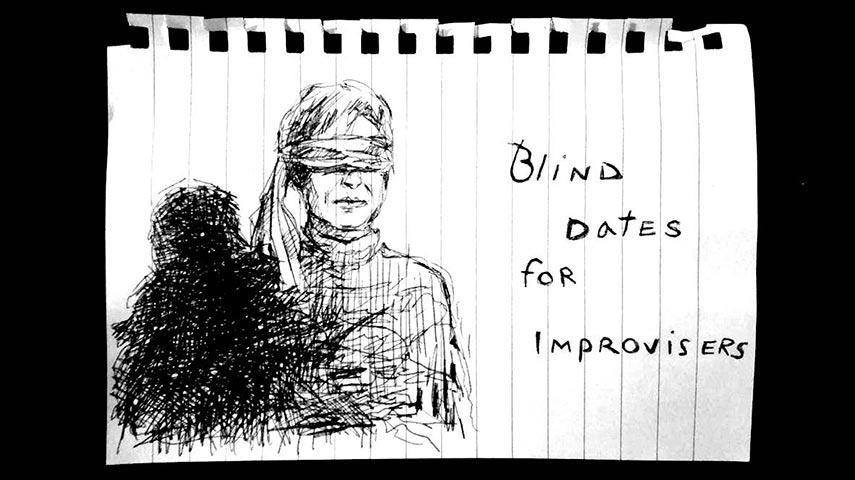
Blind Dates for Improvisers
15.10.2016

A group of improvisers based in different cities will gather in Galerie TOOLBOX Berlin to participate in a 2 hours performance. However, they won’t have any idea of who will play with who. No soundcheck, no preplanned line-up! Just a casual encounter among international improvisers will happen on the stage.

Start: Galerie TOOLBOX 15.10.2016 / 7pm

Come along to enjoy and be a witness to these blind dates!

  • Harri Sjöström
  • Klaus Kürvers
  • Leo Lehtinen
  • Rafael Martinez
  • Ivan Babinchak Renqvist
  • Ian Mikyska
  • Ulf Mengersen
  • Davide Piersanti
  • Sergio Castrillón & Elina Nissinen

BLIND DATES FOR IMPROVISERS intends to bring together artists interested in improvisation from various latitudes, backgrounds, and disciplines within different venues and arenas.

This project has been developed by Sergio Castrillón since 2015.

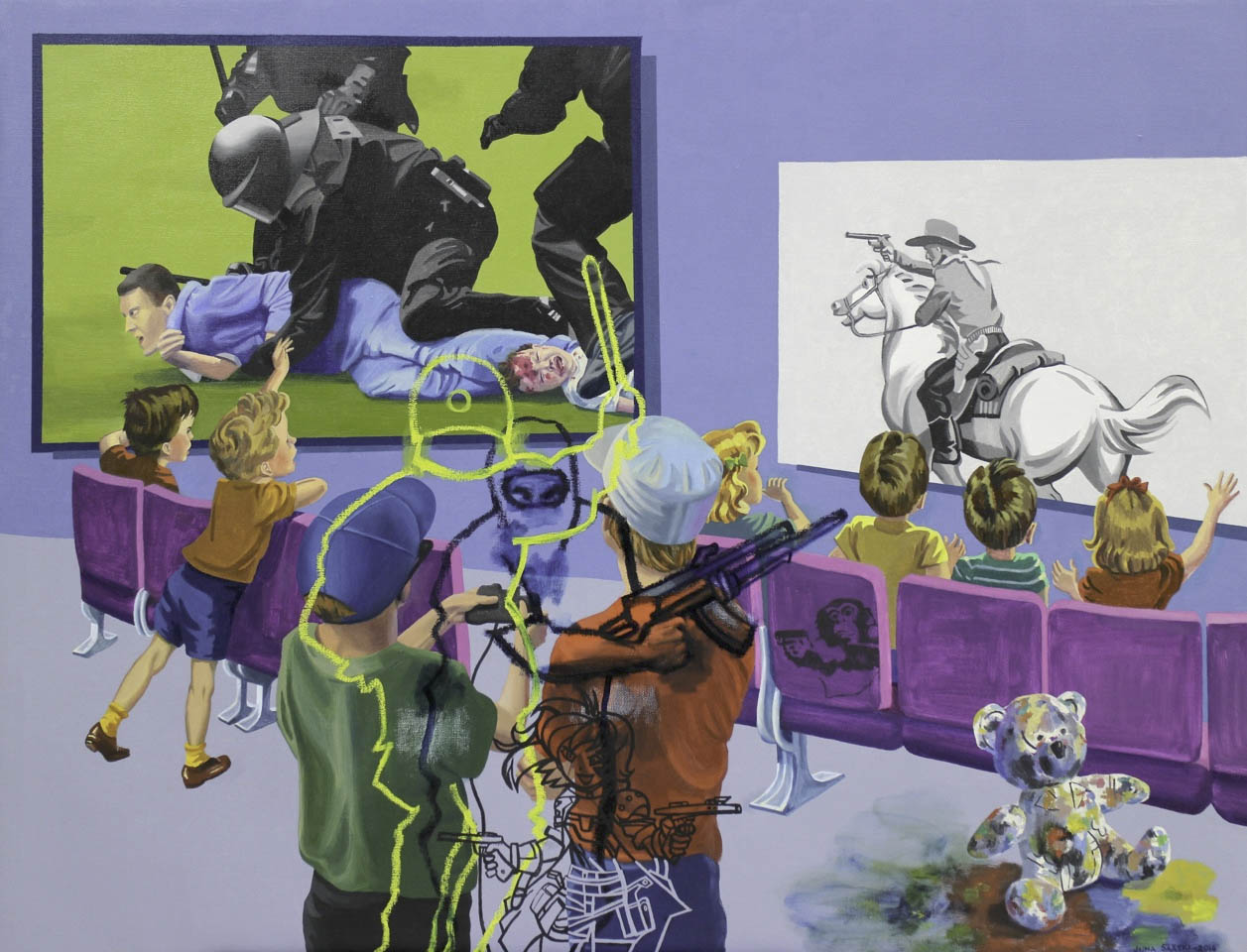
Emotional Circus | Kunstverein Viernheim, Strümpfe Mannheim
2.9.–15.10.2016

Ausstellungsorte:

Toolbox exhibition in South Germany |

  • Kunstverein Viernheim Hügelstraße 24, 68519 Viernheim
  • Kunsthaus Viernheim Rathausstr. 36, 68519 Viernheim
  • Strümpfe Mannheim Jungbuschstraße 3, 68159 Mannheim

Ein Kooperationsprojekt des Kunstvereins Viernheim mit Strümpfe Mannheim und Toolbox Berlin


Kunstverein Viernheim, Kunsthaus Viernheim
9. 9.–15. 10. 2016
Vernissage: 9. 9. 2016, 19 Uhr im Kunsthaus
Begrüßung: Dr. Laura Hirvi, Finnland-Institut Berlin
Öffnungszeiten
Do+Fr 15–18 Uhr und Sa 10–13 Uhr sowie nach Vereinbarung

www.kunstverein-viernheim.de


2. 9.–23. 9. 2016
Strümpfe Mannheim
Vernissage: 2.+3.9. 2016 ab 20 Uhr
Öffnungszeiten nach Vereinbarung

www.struempfe-jungbusch.de


Toolbox Artist Group Finland Berlin

Maija Helasvuo, Installation | Sampsa Indrén, Zeichnung
Minna Jatkola, Malerei | Mika Karhu, Video, Zeichnung
Niina Räty, Malerei | Juha Sääski, Malerei
Matti Vainio, Zeichnung | Andreas Wolf, Malerei

scroll down for English Version

Emotional Circus

von Anna E. Wilkens

Der Diskurs um die Emotionen ist nicht neu; im Zuge gesellschaftlicher Modernisierungsprozesse beginnt das Reden über Gefühle in der Aufklärung um 1750 mit der „Empfindsamkeit“. Gefühle blieben seither Thema besonders in ästhetischer Theorie und in der im 19. Jahrhundert neu entstehenden Psychologie. Einen bemerkenswerten Aufschwung jedoch nahm die Aufmerksamkeit für Gefühle seit der Jahrtausendwende – eine Reihe neuer Sonderforschungsbereiche wurde in den Kulturwissenschaften, in Psychologie und Neurowissenschaften eingerichtet und man spricht sogar schon von einem Emotional Turn – vielleicht vorbereitet seit der 68er Wende im Zuge von Ganzheitlichkeitsdiskursen; seither gibt es vielfältige Argumentationen wider die alte Dichotomie von Ratio (positiv bewertet) mit ihrem angeblichen Gegenteil, der Emotio (negativ bewertet). Die Vernunft galt als zivilisiert und der Kultur zugehörig, das Gefühl als irrational und „natürlich“.

Bedeutet nun das vermehrte (wissenschaftliche) Reden über Emotionen auch eine Zunahme von Gefühlen? Höchstwahrscheinlich nicht. Und ebenso wenig ist es ein Indiz für eine „Befreiung“ der Gefühle – dass Gefühlsäußerungen (außer im Privaten) etwa zunähmen oder salonfähig würden. Man kann sogar, Foucaults Argumentation in Sexualität und Wahrheit folgend, die These aufstellen, dass die Sichtbarmachung der Gefühle im Diskurs eher zur noch stärkeren Beherrschung von Gefühlen beiträgt, indem der Diskurs immer auch normativ ist. Ein Indiz für die Präsenz eines Diskurses kann die Anzahl der Publikationen zu einem Thema sein: Im Katalog der Deutschen Nationalbibliothek (zum Beispiel) findet man tatsächlich eine Reihe von neuen Titeln zum Thema „Emotion“; es sollte jedoch zu denken geben, dass ein sehr großer Teil davon gar nicht in Kulturwissenschaften, Psychologie oder Neurowissenschaften erschienen ist, sondern in der BWL: Marketing einerseits und Personalführung andererseits. Dass wir alle von der Werbung zum Konsum bewegt werden (sollen), wissen wir; und Emotionale Intelligenz gehört heute zur Ausstattung einer vollwertigen Arbeitskraft. Und die Ratgeberliteratur seit den 70er-Jahren etwa hilft uns nicht nur bei der „Selbstfindung“ und Entdeckung unserer eigenen Gefühle, sondern sie legt implizite Normen fest, nach denen wir beispielsweise immerzu glücklich sein sollen und in Beziehungen auf jeden Fall erfüllte Liebe finden. Etwas zu erkennen, es präzise und differenziert erfassen zu können, führt immer auch zu größerer Beherrschbarkeit, ermöglicht Kontrolle. Der Prozess der Zivilisation (Elias), in dem der Fremdzwang zum Selbstzwang wird, wird fortgeschrieben.

Wirklich neu am zeitgenössischen Emotionsdiskurs seit etwa 2000 ist, dass auch in wissenschaftlichen Forschungen nun davon ausgegangen wird, dass menschliches Leben stets ein Zusammenspiel zwischen Denken und Fühlen sei; das Fühlen informiert das Denken und das Denken beeinflusst das Fühlen. Und das gilt im Bereich des privaten, individuellen Gefühls und Denkens als auch in größeren gesellschaftlichen Zusammenhängen (öffentlich); Emotionen werden von gesellschaftlichen Strömungen geprägt, sie sind folglich mindestens partiell historisch und nicht überzeitlich (das bedeutet auch, dass es Emotions-Moden gibt), und umgekehrt bestimmen die Gefühle ihrerseits gesellschaftliche Entwicklungen mit. Das impliziert auch, dass ein Wandel stattgefunden hat in der Wahrnehmung von Emotionen, die nicht länger als nur passiv (Passion), also erlitten und als Reaktion auf Umweltreize angesehen werden, sondern ihrerseits – aktiv – ihre Umwelt bestimmen oder jedenfalls beeinflussen.

Der Bereich der Kunst nun gilt seit ihrer Autonomisierung als eine Art Freiraum, in dem Elemente menschlichen Lebens sowohl thematisiert als auch ausgelebt werden können, die sonst unsagbar sind, entweder, weil sie tabu, oder aber, weil sie (noch) nicht wissenschaftlich erfassbar sind.

Die Künstlerinnen und Künstler der TOOLBOX zeigen in Viernheim unterschiedliche künstlerische Positionen zum Thema Gefühle: Die Werke beschäftigen sich mit Gefühlen im Schaffensprozess; mit Gefühlen, die als potenziell zerstörerische Unterströmung nicht zuletzt von Machtverhältnissen und Politik hervorgerufen werden; mit dem Sinnlichen von Kunstwerken; und auch damit, wie Medien und Werbung mithilfe psychologischer Erkenntnisse bestimmte Emotionen in ihrem Publikum hervorrufen.


Emotional Circus

Anna E. Wilkens

Talk about emotions isn’t new; in modern age Europe the discourse on feeling has its origin in philosophical and literary ‘Sentimentalism’ during the Age of Enlightenment, around 1750. Since then, emotions have constantly been a popular topic, especially in aesthtic theory and psychology, as a new discipline of the 19th century, though there has been a remarkable increase in attention to emotions in early 21st century. A number of special research facilities focussing on the study of emotions, mainly in Cultural Studies, Psychology and Neuroscience, have been established since the turn of the century, and the term emotional turn has been coined. Maybe this new attention to emotions has its roots in the seventies with the shift towards more universal and holistic approaches to the interpretation of society.
Nowadays we find a lot of arguments to dissolve the classical dichotomy of reason (with a positive connotation) vs. emotion (negative). Reason was deemed civilised and an aspect of culture; emotion on the other hand was conceived as irrational and belonging to nature.
Now, does the broadening of (academic) discourse on emotions mean that we actually feel more? Or are emotional outbreaks in public more acceptable than before? Probably not.

Following Foucault’s reasoning in The History of Sexuality, we could argue that the increase in talk about emotions doesn’t indicate any kind of liberation of feeling, but, on the contrary, that greater attention to the discourse on emotions engenders an enforcement of control of emotions, in that any discourse is, among other things, always also normative and an instance of regulation or even domination.
As evidence for its importance in contemporary thought the number of publications on the topic can be taken: In the catalogue of the German National Library for example we find a myriad of titles about emotions; but it is quite sobering that very many of these books on ‘emotion’ aren’t published in Cultural Studies, Psychology or Neurosciences, but in Business Theory: Marketing and Personnel Management. It is a well known fact that we all are (supposed to be) manipulated by advertising, and today emotional intelligence is something every employee should bring to the workplace.

And self-help literature doesn’t only helps us ‘find ourselves’ and ‘discover our emotions’ but also installs a set of implicit norms, according to which we are supposed to be constantly happy, and in intimate relationships by all means be fulfilled through love.
Awareness and knowledge about something always facilitates greater manageability, increases control. The Process of Civilisation (Elias), the transformation of external constraints into self-constraintsort, continues.

The novelty in contemporary discourse on emotions is the consideration even in scientific and scholarly research that human life always is an interplay of thought and emotion; feeling informs thinking, and reason influences emotions – in private, individual thought and emotion as well as in broader societal contexts (public); emotions are shaped by publicly discussed ideas, which means that they are at least partially historical and therefore subject to modification (from this follows that there must be fashions of emotion), on the other hand, feelings are important in shaping political and social change.
All of this implies that there must have taken place a change in the perception of emotions, which nor longer are conceived as passive, something which is endured, suffered and a reaction to external stimuli, but as active, in so far as they inform and influence life in the world.

Art is deemed to be free and is considered to be a kind of residual of liberties, a space in which you can speak of aspects of human life that are usually not spoken of and act out emotions that might be taboo otherwise, or there can be talk about phenomena that haven’t (yet) found a scientific explanation.
The artworks in the exhibition show various approaches to the topic of emotions: one’s own emotions in the process of creating an artwork; potentially disruptive subcurrents, last but not least engendered by hegemonial forces and politics; the sensual aspects of artworks; and also, how media and advertising strive to evoke certain emotions in their target groups through psychological tools.
Logo Finnlandinstitut

Musiker Foto

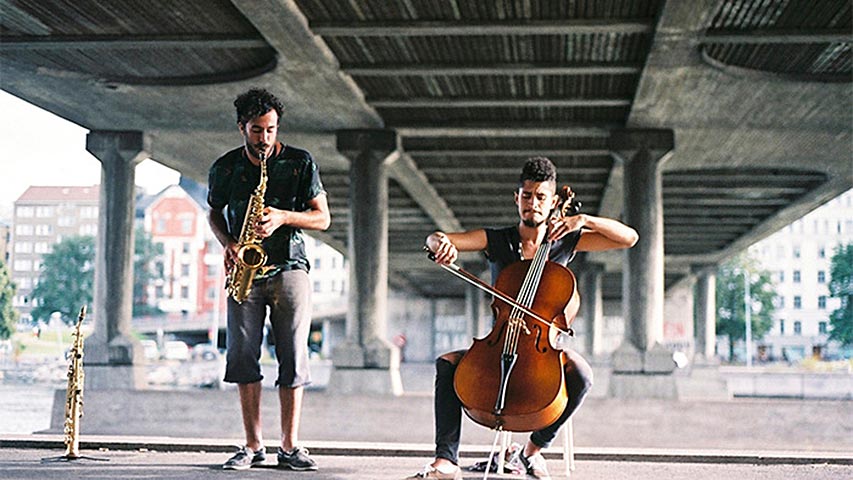
KAIKU DUO |
20.9.2016

KAIKU DUO is a traveling ensemble based on free improvisation.

Dienstag, 20. September 19:00 – 20:30

Since 2014 the duo has actively performed in Europe within different venues ranging from art galleries to the streets.
One of the main concerns of KAIKU DUO is to create a direct communication with the audience not only through their special sonic approach but also with their physical presence in the space.

Come along and be part of the experience!

FREE ENTRANCE!